
Immigration Services From a Bilingual Attorney

Getting through the U.S. immigration system is hard. The forms are long, the deadlines are strict, and one small mistake can set a case back by months — or worse. That’s why the right immigration services matter before you file anything.

What Immigration Services Are Available?

More than you might think. Here’s what an immigration attorney can do for you:
MVD Green Card

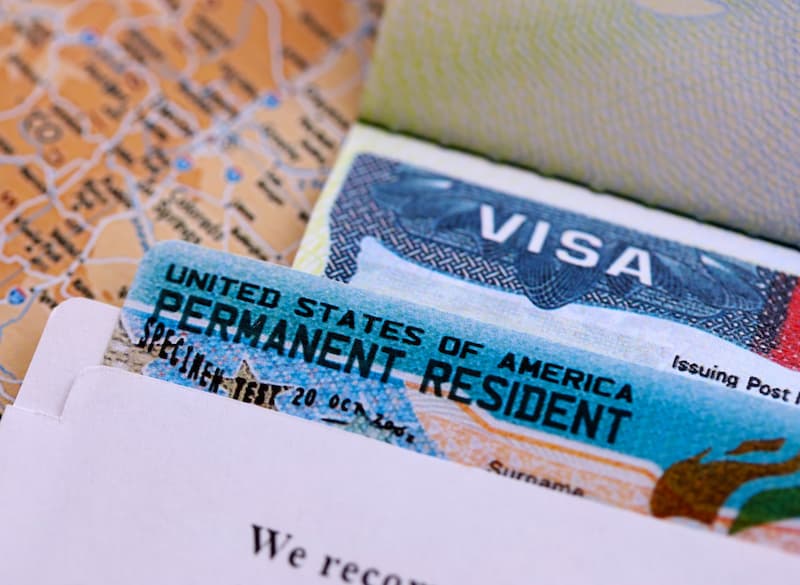
Green Card Applications

Getting a green card means becoming a lawful permanent resident. The path depends on the situation: adjustment of status inside the U.S., consular processing abroad, or special categories like the 245(i) provision. Each calls for a different approach.

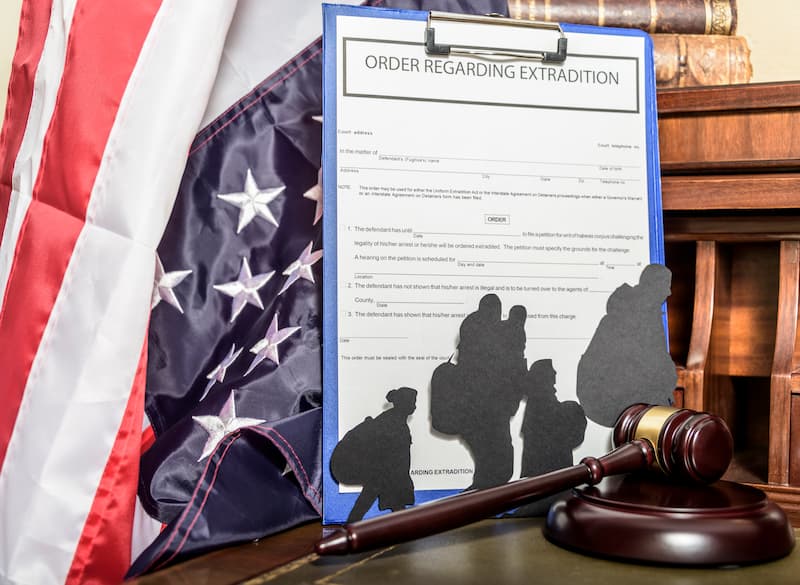
Habeas Corpus Petitions Service
Habeas Corpus Petitions

When immigration detention becomes prolonged or unlawful, a federal habeas corpus petition challenges the legal basis for that detention directly in federal district court. It’s one of the most powerful tools available — and one of the least understood outside of federal practice.
Deportation Defense Services

Deportation Defense

When detention happens, time matters. Federal habeas corpus petitions, immigration court defense, cancellation of removal — attorney Ysabel Arias-Williams specializes in federal litigation for detained immigrants. Cases are handled with urgency and expertise.
MVD Family

Family Petitions

Family petitions let U.S. citizens and permanent residents sponsor qualifying relatives for immigrant visas or green cards. That includes spouses, children, parents, and siblings — each with their own priority category and wait time under USCIS rules.

Adjustment of Status

Adjustment of Status

Adjustment of status allows certain individuals already inside the U.S. to apply for lawful permanent residence without leaving the country. Eligibility depends on how someone entered, their current immigration status, and whether a visa is immediately available.
Pardons & Waivers

Pardons & Waivers

Certain criminal history, prior immigration violations, or unlawful presence can trigger grounds of inadmissibility — blocking a visa, green card, or adjustment of status. Waivers like the I-601 and I-601A exist to address those bars when the facts support it.
MVD Federal Court

Federal Court Appeals

When the Board of Immigration Appeals rules against a case, federal court may be the next step. Petitions for review are filed in the Circuit Court of Appeals with jurisdiction over the case.

Crimes Involving Moral Turpitude Service

Crimes Involving Moral Turpitude (CIMT)

Certain criminal convictions can lead to visa denials, green card issues, and deportation. We assess the immigration impact of Crimes Involving Moral Turpitude (CIMT) and develop strong legal strategies to protect your future.
Aggravated Felonies

Aggravated Felonies

Aggravated felony convictions can place non-citizens at risk of detention, deportation, and loss of immigration benefits. We provide experienced legal defense to protect your rights and immigration future.
Naturalization

Naturalization

Naturalization is the process by which a lawful permanent resident becomes a U.S. citizen. Eligibility generally requires five years of continuous residence, physical presence, good moral character, and passing a civics and English test.

My Visa Dream Permit

Work Permit

A work permit — formally called an Employment Authorization Document (EAD) — allows non-citizens to work legally in the United States. Eligibility depends on immigration status.

My Visa Dream Asylum

Asylum — Affirmative and Defensive

Asylum protection isn't one-size-fits-all — the path depends on where a case stands in the immigration process. Affirmative asylum is filed with USCIS by someone not currently in removal proceedings, typically within one year of arriving in the U.S. Defensive asylum is raised as a defense inside immigration court, when someone is already facing removal.

K 1 Fiancé Visa

K-1 Fiancé Visa

A U.S. citizen who wants to bring a foreign-national fiancé(e) to the U.S. for marriage files a K-1 petition. There's a USCIS approval step, a State Department consular interview, and a 90-day window to marry after entry. It's a tightly structured process.

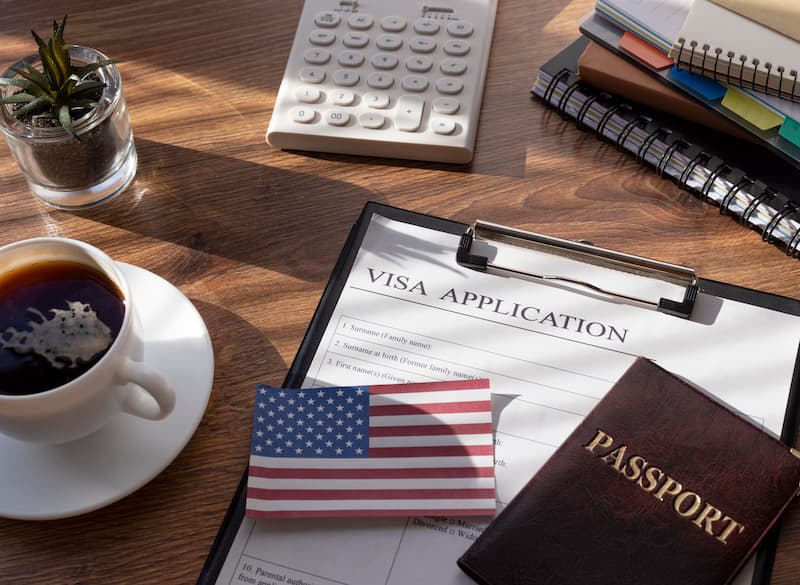
Consular Process
Consular Process

Consular processing applies when a visa applicant is outside the United States. After USCIS approves a petition, the case transfers to the National Visa Center and then to a U.S. embassy or consulate abroad for an interview.
Board of Immigration Appeals (BIA)

Board of Immigration Appeals (BIA)

The Board of Immigration Appeals is the highest administrative body for interpreting and applying immigration law. BIA appeals are filed when an immigration judge's decision needs to be challenged.
My Visa Dream U Visa

Victim of Crime and Trafficking U and T Visas

The U visa is for crime victims who've suffered serious physical or mental abuse and have helped law enforcement investigate. Certification from a qualifying agency is required.

Frequently Asked Questions
About Immigration Services

General Questions

What does an immigration attorney actually do?
An immigration attorney represents clients before USCIS, immigration courts, the Board of Immigration Appeals, and federal courts. They’ll file petitions, prepare supporting evidence, attend hearings, respond to USCIS requests, and advise on case strategy throughout.
Do I need an attorney for my immigration case?
You’re not required to have one — but the stakes are high. A denied petition, a missed deadline, or a poorly prepared application can delay a case by years or trigger removal proceedings. An experienced attorney helps you avoid those outcomes.
Can an attorney help if my case was already denied?
Yes. Denials can often be appealed or reopened. Options include motions to reopen, motions to reconsider, appeals to the Board of Immigration Appeals, and petitions for review in federal court. The right path depends on why the denial happened.
What is USCIS and how does it fit in?
U.S. Citizenship and Immigration Services (USCIS) is the federal agency that processes most immigration benefit applications — green cards, work permits, naturalization, and more. Immigration courts don’t fall under USCIS; they’re run separately under the Department of Justice.
How does federal court experience help in immigration cases?
Most immigration attorneys only handle administrative proceedings. Attorney Williams is also admitted to multiple federal courts, including the Third and Second Circuit Courts of Appeals. That’s what makes habeas corpus filings and appellate work possible — it’s not something every immigration attorney can do.

About Specific Services

What's the difference between a green card and a visa?
A visa is a temporary document that lets someone enter the U.S. for a specific purpose and period. A green card establishes lawful permanent resident status — it doesn’t expire the way a visa does, and it lets the holder live and work in the U.S. indefinitely.
Who qualifies for a K-1 fiancé visa?
Both parties must be legally free to marry and must have met in person within the past two years — there are limited exceptions to that requirement. They’ve also got to intend to marry within 90 days of the K-1 holder’s entry into the United States.
What makes a VAWA case different?
VAWA petitions are filed directly with USCIS without the abusive spouse’s involvement. The process is confidential — USCIS can’t reveal that a petition has been filed. The survivor doesn’t need the abuser’s cooperation at any step.
Can someone apply for asylum after arriving in the U.S.?
Yes. Affirmative asylum applications are filed with USCIS within one year of the applicant’s most recent arrival. There are limited exceptions for changed or extraordinary circumstances. Those already in removal proceedings file defensively in immigration court.
What is a U visa and how long does it take?
USCIS grants up to 10,000 U visas per year. That cap has historically created a long waitlist. Petitioners who are approved and waiting get deferred action and work authorization while their spot comes up — but it’s worth starting the process early.

About Fees and Process

How much do immigration services cost?
Fees depend on the case type, complexity, and whether it involves court appearances or only USCIS filings. Most attorneys charge flat fees for straightforward petitions and hourly rates for contested matters. A consultation’s the best way to get a realistic estimate.
How long does a typical immigration case take?
That depends entirely on the case type and current USCIS processing times. Some applications take months; others stretch years due to visa backlogs. Court cases run on their own calendar. There’s no universal answer — it’s got to be evaluated case by case.
What documents are usually needed to get started?
Common starting documents include passports, birth certificates, marriage or divorce records, prior immigration filings, notices from USCIS or immigration court, and any relevant criminal history. The exact list depends on what’s being filed — it’s not one-size-fits-all.
Can immigration services be handled remotely?
Yes. Immigration’s federal law, and most USCIS proceedings and hearings are conducted remotely. Attorney Williams works with clients across the United States and internationally. Appointments are available by phone and video conference.
What if someone can't afford full fees upfront?
It’s worth asking. Many immigration attorneys offer payment plans or reduced fees depending on the case type and the client’s situation. Bring it up during the consultation — it’s a fair question and one that comes up often.

Why Choose the Law Offices of Ysabel Williams for Immigration Solutions

An immigration law firm built on lived experience. Founded by an immigrant attorney who understands what it means to navigate immigration law when your family’s future is on the line. After 20+ years representing families in federal court, Attorney Ysabel Williams knows that what matters most is direct attention, honest answers, and someone who actually fights for you. That’s the commitment here.

  • 20+ years of hands-on immigration law experience
  • Licensed in New Jersey and Pennsylvania
  • Authorized federal practice: EOIR Immigration Court, Board of Immigration Appeals, Federal District Courts, Federal Courts of Appeals
  • 2,000+ families successfully represented
  • Bilingual Spanish-English representation by the attorney handling your case

MVD Why Choose Us

Real Results From Clients Like You

Read client reviews for Attorney Ysabel Williams deportation defense, habeas corpus, family petitions, and immigration services. Over 2,000 families have been represented, with consistent testimonials about dedicated legal representation, bilingual communication, and real results when it matters most.

Schedule Your
Immigration Consultation

Contact Attorney Ysabel Williams to discuss your case with an experienced immigration attorney.

Location

New Jersey Office

4300 Bergenline Avenue, Suite 204, Union City, NJ 07087

Hours: 9:00 AM – 5:00 PM

Call Now

Phone

844-526-4472