
Practice Areas
Attorney Ysabel Williams handles the full range of immigration law for individuals, families, and detention cases. Below is every practice area offered, with a direct link to the dedicated page for each.
What Immigration Services Are Available
From asylum to green cards, our immigration services cover nearly every path to legal status:
Green Card Applications
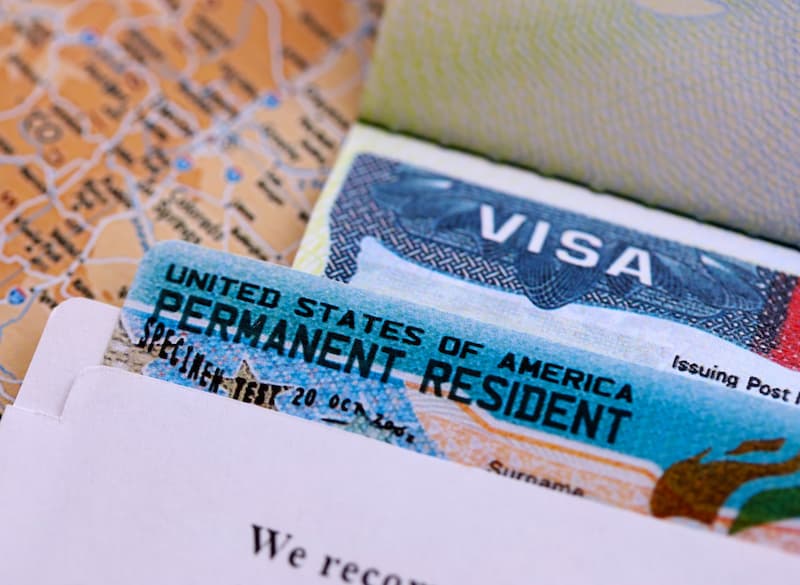
Getting a green card means becoming a lawful permanent resident. The path depends on the situation: adjustment of status inside the U.S., consular processing abroad, or special categories like the 245(i) provision. Each calls for a different approach.

Habeas Corpus Petitions
Deportation Defense

Family Petitions
Family petitions let U.S. citizens and permanent residents sponsor qualifying relatives for immigrant visas or green cards. That includes spouses, children, parents, and siblings — each with their own priority category and wait time under USCIS rules.

Adjustment of Status

Pardons & Waivers
Certain criminal history, prior immigration violations, or unlawful presence can trigger grounds of inadmissibility — blocking a visa, green card, or adjustment of status. Waivers like the I-601 and I-601A exist to address those bars when the facts support it.

Federal Court Appeals
When the Board of Immigration Appeals rules against a case, federal court may be the next step. Petitions for review are filed in the Circuit Court of Appeals with jurisdiction over the case.

Crimes Involving Moral Turpitude (CIMT)

Aggravated Felonies

Naturalization
Naturalization is the process by which a lawful permanent resident becomes a U.S. citizen. Eligibility generally requires five years of continuous residence, physical presence, good moral character, and passing a civics and English test.

Work Permit
A work permit — formally called an Employment Authorization Document (EAD) — allows non-citizens to work legally in the United States. Eligibility depends on immigration status.

Asylum — Affirmative and Defensive
Asylum protection isn't one-size-fits-all — the path depends on where a case stands in the immigration process. Affirmative asylum is filed with USCIS by someone not currently in removal proceedings, typically within one year of arriving in the U.S. Defensive asylum is raised as a defense inside immigration court, when someone is already facing removal.

K-1 Fiancé Visa
A U.S. citizen who wants to bring a foreign-national fiancé(e) to the U.S. for marriage files a K-1 petition. There's a USCIS approval step, a State Department consular interview, and a 90-day window to marry after entry. It's a tightly structured process.

Consular Process

Board of Immigration Appeals (BIA)

Victim of Crime and Trafficking U and T Visas
The U visa is for crime victims who've suffered serious physical or mental abuse and have helped law enforcement investigate. Certification from a qualifying agency is required.
What Does ICE and Deportation Defense Cover
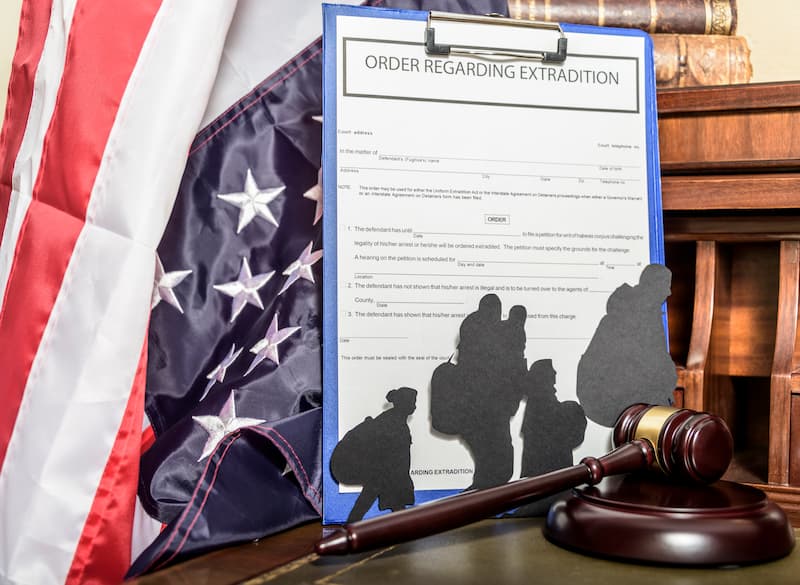
Deportation proceedings move fast. Here’s where our ice deportation defense steps in
Habeas Corpus
Master Hearing
Individual Hearing
Bond Hearing
Removal
Defensive Asylum
Why Federal Court Experience Matters
Most immigration attorneys practice only before USCIS and EOIR immigration courts. Both are part of the Executive Branch. Both are bound by agency policy — which means when the administration changes enforcement priorities, those attorneys’ options change with it. When agency policy narrows fast, having federal court access is what keeps the case alive.
Federal courts are different. Article III judges are independent from the Executive Branch. They’re not bound by agency memos or BIA rulings. They’ve got the authority to review constitutional claims, challenge detention, and hear appeals of removal orders when the administrative process fails.
Attorney Williams is admitted to:
Federal District Court, Middle District of Pennsylvania
Third Circuit Court of Appeals
Second Circuit Court of Appeals
EOIR immigration courts nationwide
Board of Immigration Appeals
Frequently Asked Questions
About Choosing an Immigration Attorney
What should someone look for in an immigration attorney?
How is an immigration attorney different from an immigration consultant or notario?
Does it matter if an immigration attorney is bilingual?
Why does bar admission state matter for immigration cases?
What does AILA membership mean?
About How Cases Work
What's the difference between USCIS and immigration court?
Can an attorney represent someone in both USCIS proceedings and immigration court?
What happens if an immigration judge rules against someone?
What is the difference between inadmissibility and deportability?
How long do immigration cases typically take?
Why Choose the Law Offices of Ysabel Williams for Immigration Attorney Solutions
An immigration law firm built on lived experience. Founded by an immigrant attorney who understands what it means to navigate immigration law when your family’s future is on the line. After 20+ years representing families in federal court, Attorney Ysabel Williams knows that what matters most is direct attention, honest answers, and someone who actually fights for you. That’s the commitment here.
- 20+ years of hands-on immigration law experience
- Licensed in New Jersey and Pennsylvania
- Authorized federal practice: EOIR Immigration Court, Board of Immigration Appeals, Federal District Courts, Federal Courts of Appeals
- 2,000+ families successfully represented
- Bilingual Spanish-English representation by the attorney handling your case